
How to Start a Small Balcony Garden for Calm Daily Rituals
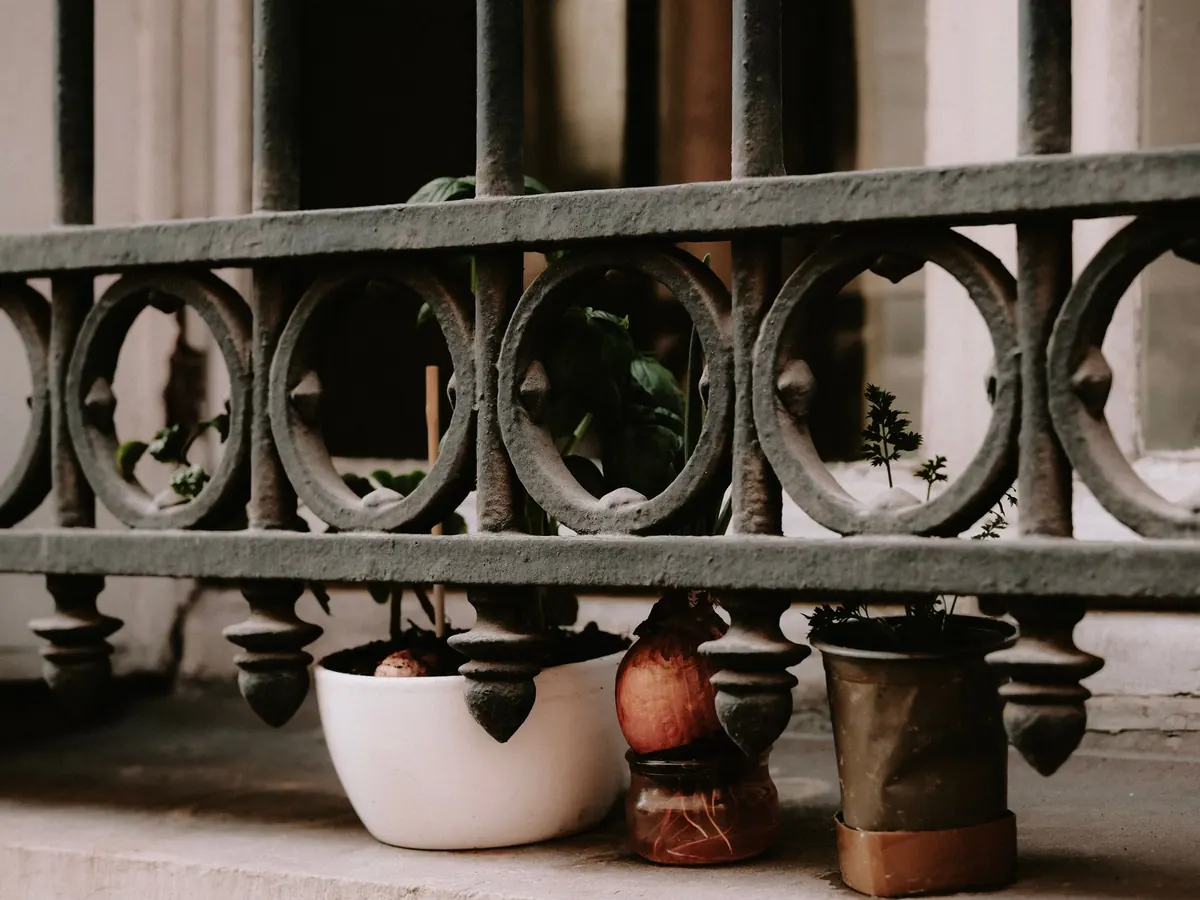
Three pots on a concrete ledge, a chair dragged over beside them, ten quiet minutes before the day properly starts. That is a balcony garden. It does not need to be more ambitious than that, and honestly it works better when it isn't. The point is not a harvest. The point is having somewhere to stand still, with your hands in something that is quietly getting on with its own life.
What follows is a beginner's route in: what to grow, what to put it in, how to water it without turning it into a chore, and how to arrange the whole thing so you actually use it.
Start with the light you have, not the light you wish you had
Before you buy a single plant, spend a day noticing your balcony. Where does the sun land at nine in the morning, and where is it at four in the afternoon? Is one corner in shadow all day because of the building opposite? This is the single most useful piece of information you can gather, and it costs nothing.
Most herbs and vegetables want four to six hours of direct sun. If your balcony gets that — typically on the sunnier side of a building — you have plenty of options. If it gets two hours, or a filtered green light through trees, that is not a failure. It just moves you towards lettuce, mint, chives and shade-tolerant foliage instead of tomatoes and lavender.
Be honest about wind, too. Upper floors and corners funnel it, and a plant that looks fine in the shop can be shredded in a week. A simple railing-height screen, or grouping pots tightly together so they shelter each other, solves most of it.
Choose plants that forgive a beginner
The fastest way to lose interest is to start with something fussy. Skip the seedlings that need hardening off and the vegetables that demand daily attention. Start with plants that visibly tell you what they need.
- Mint. Almost indestructible, and it wilts dramatically when thirsty, which makes it a good teacher. Keep it in its own pot — it spreads by runners and will happily take over anything it shares.
- Chives. Hardy, tidy, and you can snip the leaves with scissors and they come back. Fine in partial sun.
- Basil. Needs warmth and steady water, and sulks below about ten degrees at night. Wonderful if your balcony is sheltered; wait until the cool evenings have passed.
- Rosemary and thyme. The opposite temperament: they want sun, sharp drainage and to be left alone. Overwatering kills them far more often than drought.
- Loose-leaf lettuce. Quick to grow, cut-and-come-again, and content in a shallow trough. It bolts in real heat, so treat it as a spring and autumn crop.
- Nasturtiums and marigolds. Cheerful, tolerant of poor soil, and the nasturtium flowers are edible. Useful for filling gaps while you decide what you actually like.
Pick four or five. Not twelve. A small collection you can look after properly will teach you more in one season than a crowded balcony ever will.
Pots, soil and drainage: the unglamorous parts that decide everything
Every pot needs a hole in the bottom. Not a decorative one — an actual drainage hole. Roots sitting in stagnant water rot, and no amount of careful watering will fix a pot that cannot drain.
Size matters more than most beginners expect. A small pot dries out within hours on a warm day; a larger one holds moisture and buffers temperature swings. Where you can, choose pots of at least 25 to 30 centimetres across for herbs and salads. Terracotta breathes and dries faster; glazed and plastic pots hold water longer. Neither is better — they just ask for different habits.
Use a proper potting mix rather than garden soil, which compacts in containers. Add a handful of grit or perlite for rosemary and thyme. And think about weight before you fill anything: wet compost is heavy, and a row of large pots along a railing puts real strain on it. Keep the biggest containers on the floor or against the wall, and use brackets rated for the load if you are hanging anything.
Turn watering into a ritual, not a chore
Watering is where most balcony gardens are lost — usually by kindness. Rather than following a schedule, check the soil. Push a finger in up to the second knuckle. If it is damp down there, walk away. If it is dry, water slowly until it runs out of the bottom of the pot.
- Fill a small can or jug the night before and let it sit, so the water is not shockingly cold.
- Water in the morning where you can. Evening is the second-best choice; midday sun is the worst.
- Aim at the soil, not the leaves, and give a proper soak rather than a daily sprinkle. Deep, less frequent watering encourages deeper roots.
- Empty any saucers an hour after watering. Standing water is a slow way to drown a plant.
- Keep a small notebook or a note on your phone for the first month: date, which pots, anything that looks odd. It becomes your own record of what your balcony does.
The ritual part is the timing. Attach watering to something you already do — the first coffee, the moment you get home — and it stops being a task on a list. Two or three minutes, most days in summer, far less in spring and autumn. That's all it takes.
Make it somewhere you want to sit
A garden you only visit with a watering can is a chore with leaves. Put a chair out there. A small folding stool is enough. Add a surface at waist height for your cup, and keep a pair of scissors and a little trug nearby so pinching off a few mint leaves or deadheading a flower is easy rather than a project.
Then do nothing there, deliberately. Ten minutes with a drink, watching a bee work through the marigolds, counts. This is the part that makes the watering feel worth it.
Let things die without drama
Some plants will not make it. A hot week while you are away, a basil that catches a cold snap, a lavender that quietly drowns. This is normal and it is not a verdict on you. Clear the pot, tip the compost into a bag for the council collection or your own bin, and try something else. Gardeners with decades of experience still lose plants every year.
What is worth doing is noticing the pattern. If everything in one corner fails, that corner is probably too dark or too windy. Move the pots rather than replacing the plants.
A short, practical start
This weekend, do three things. Watch where the sun falls on your balcony for a day. Buy two bags of potting mix, three pots with drainage holes, and four plants matched to your light — mint, chives, a lettuce trough and one flower is a perfectly good beginning. Then set a reminder for the first week, just to check the soil with your finger each morning.
Keep it small enough that you can look after it on a bad day. A balcony garden earns its place in your life not by producing salads, but by giving you a reason to step outside, breathe, and pay attention to something that grows slowly. That is the whole point, and it starts with one pot.
Photo: Mathias Reding / Pexels